Meet the Neighborhood Crow
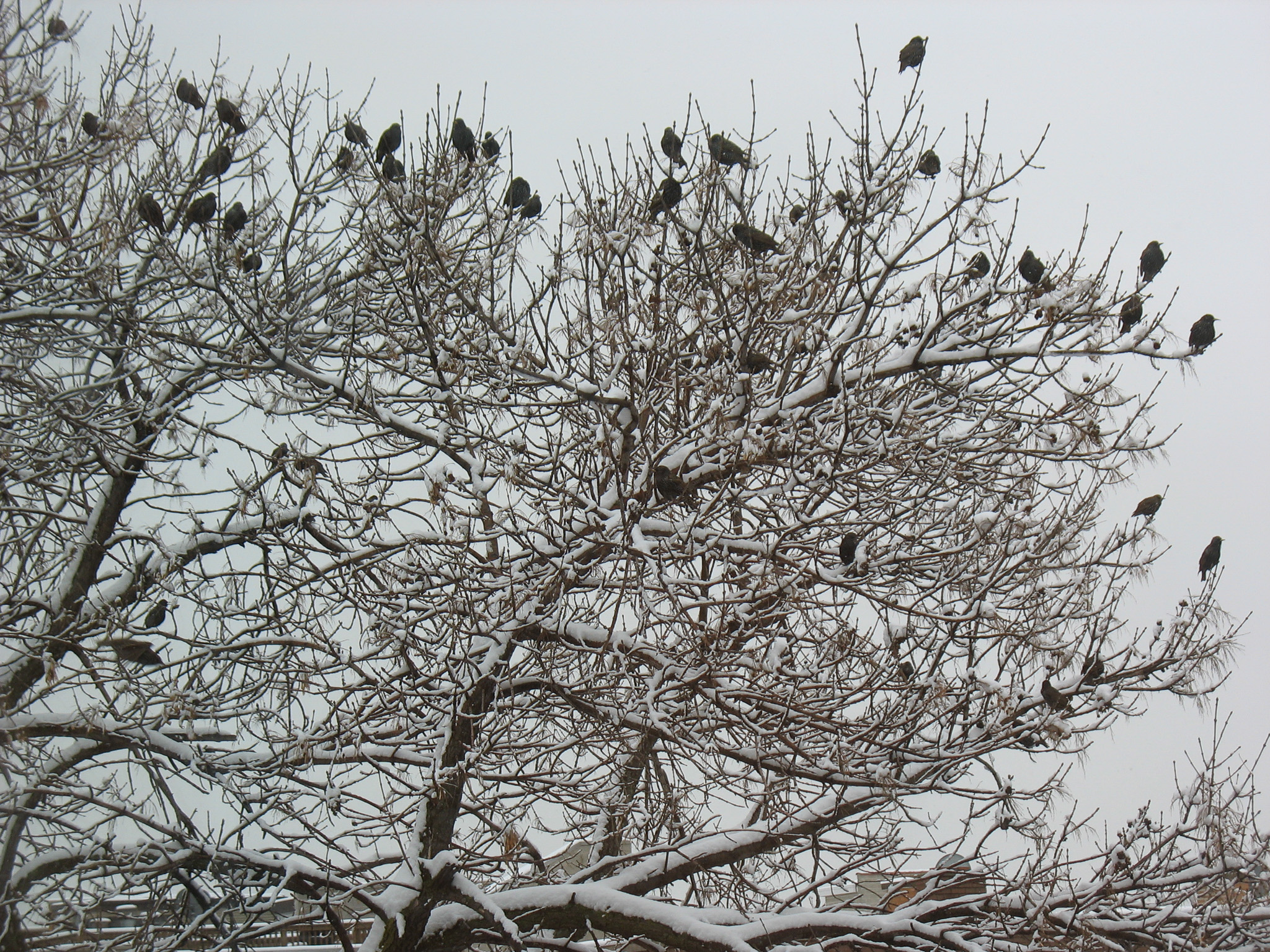
Edmonds, tucked along Puget Sound just north of Seattle, is prime territory for the American Crow (Corvus brachyrhynchos). These glossy, inky-black birds are among the smartest animals in North America who recognize individual human faces, use tools, hold what look like funerals for their dead, and pass warnings about people, sent down through generations. They also make some amazing tonal sounds and often chatter to themselves, gripping bark with sharp talons, high up in Douglas fir trees.
About This Site
This started as a habit more than a project — noticing the same handful of crows on neighborhood walks and eventually keeping informal notes on where and when. It's grown into a small hobby log rather than anything comprehensive. If you've spotted something interesting locally, I'd enjoy hearing about it.
Quick Facts
Where to Spot Them
- Richmond Beach Saltwater Park — crows foraging along the shoreline at low tide, often seen dropping shellfish onto rocks to crack them open.
- Shoreline Community College campus — large trees host noisy daytime gatherings.
- Boeing Creek & Shoreview Parks — forested corridors used for nesting in spring.
- Neighborhood streets at dusk — watch for crows streaming overhead toward communal roosts.
Behavior to Watch For
- Mobbing: groups of crows loudly harassing a hawk, eagle, or off-leash dog they see as a threat.
- Tool use: dropping walnuts or shellfish onto pavement, sometimes even into traffic, to crack the shells — one of their more impressive feats.
- Roosting: in fall and winter, hundreds of crows may gather at a shared roost site each evening.
- Kin recognition: crows can pick out close kin from unrelated birds within the same flock.
- Play: crows have been seen sliding down snowy roofs or roughhousing with sticks — seemingly just for fun.
Photo Gallery
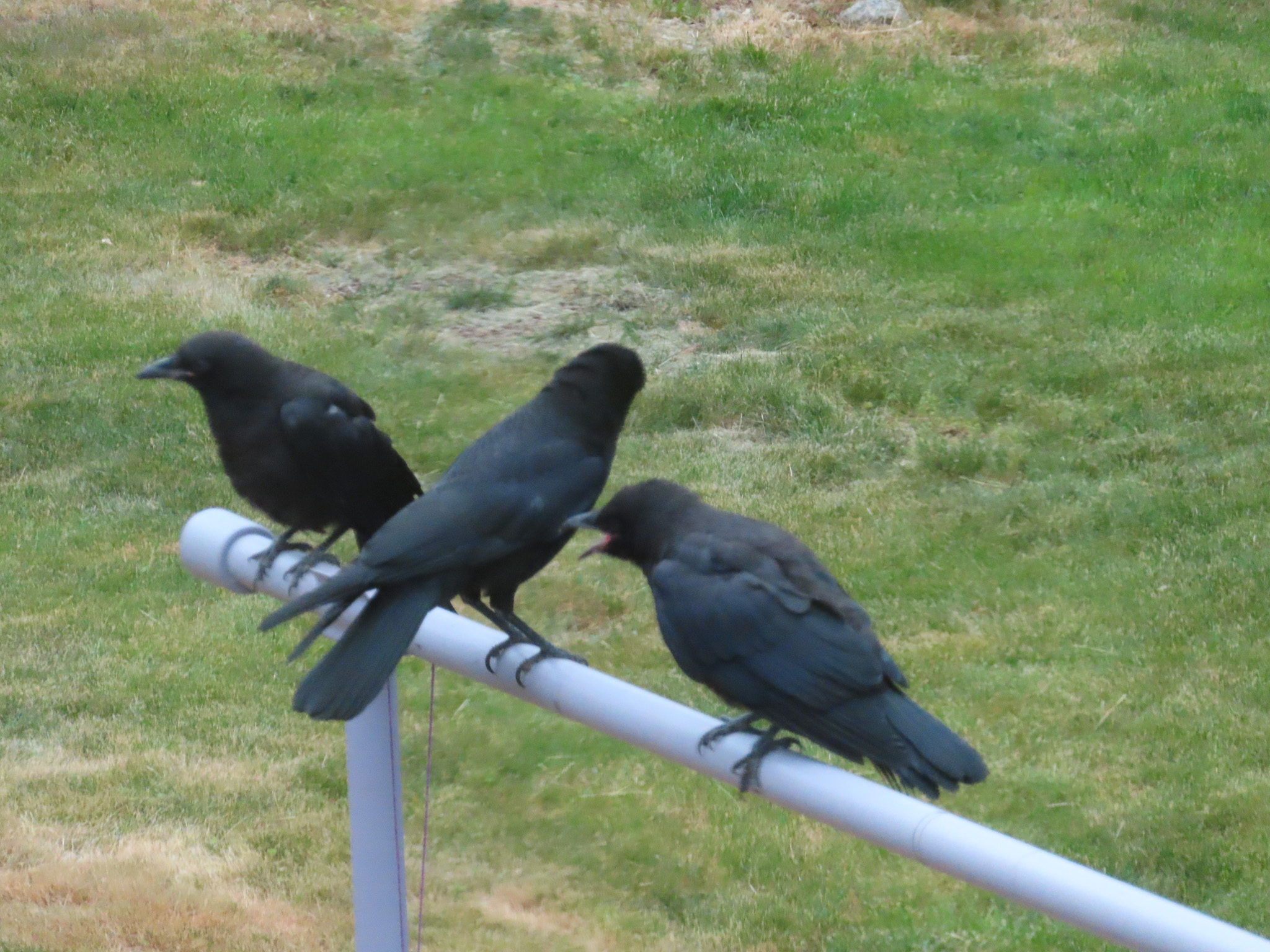
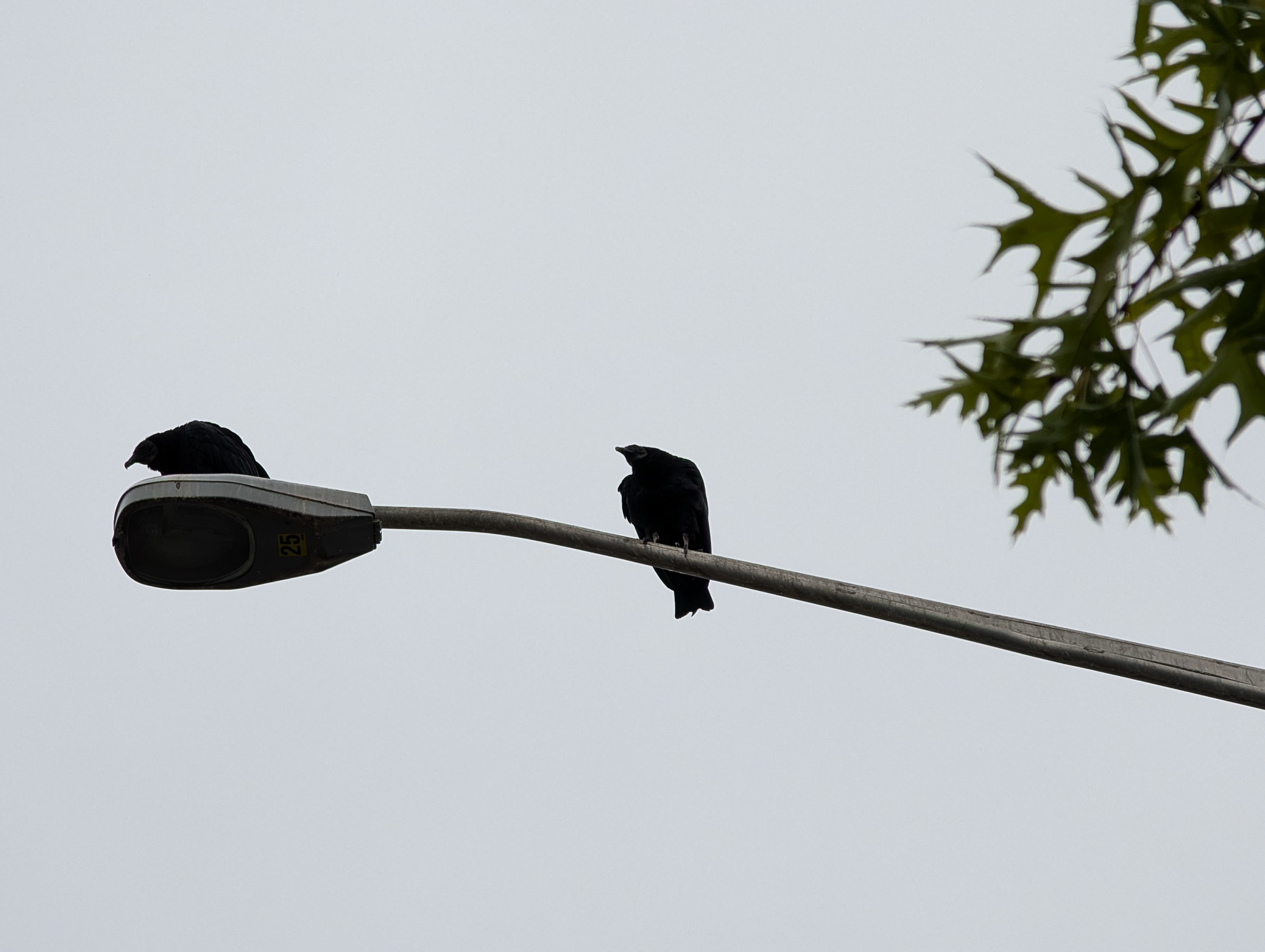
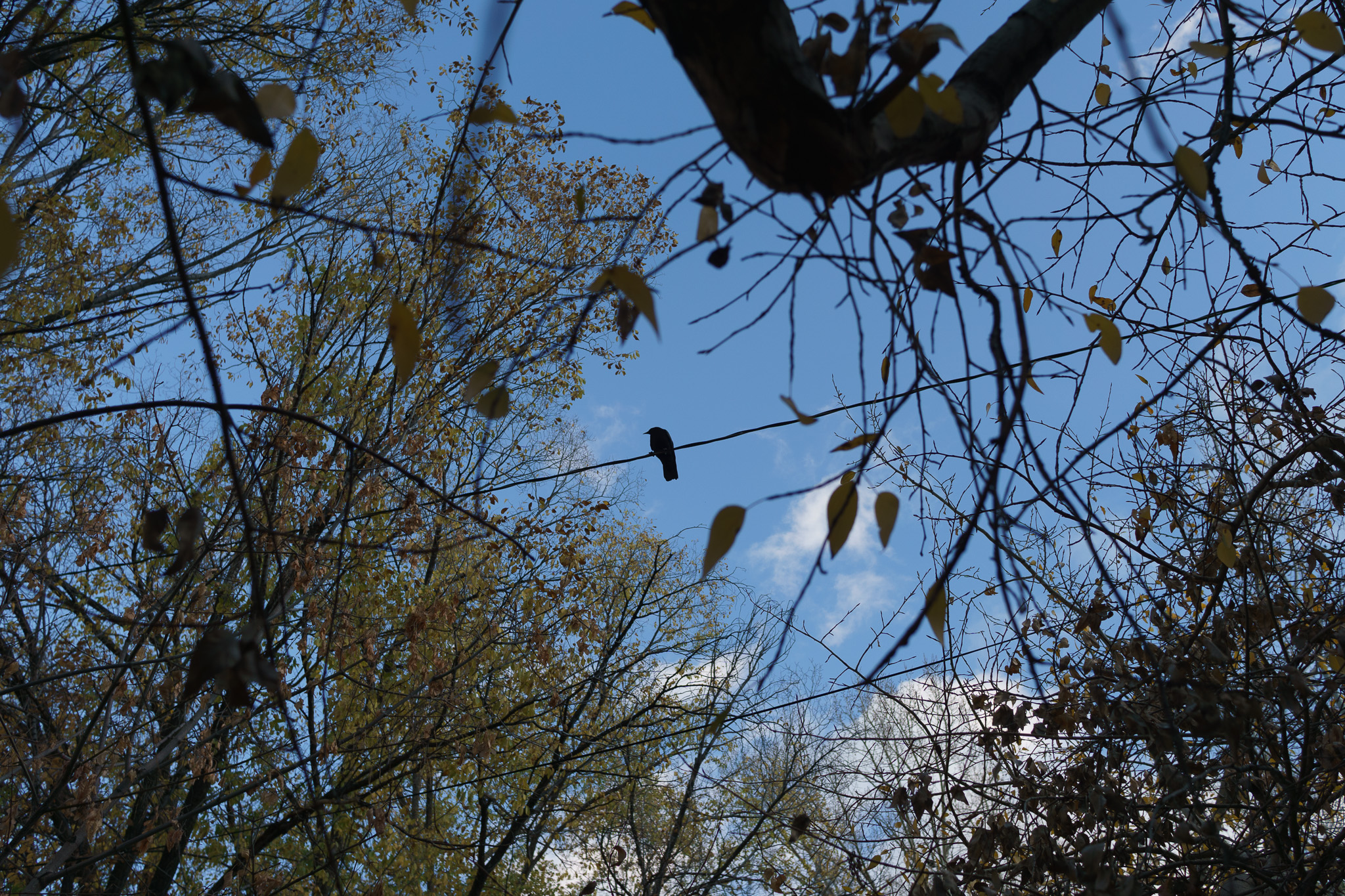
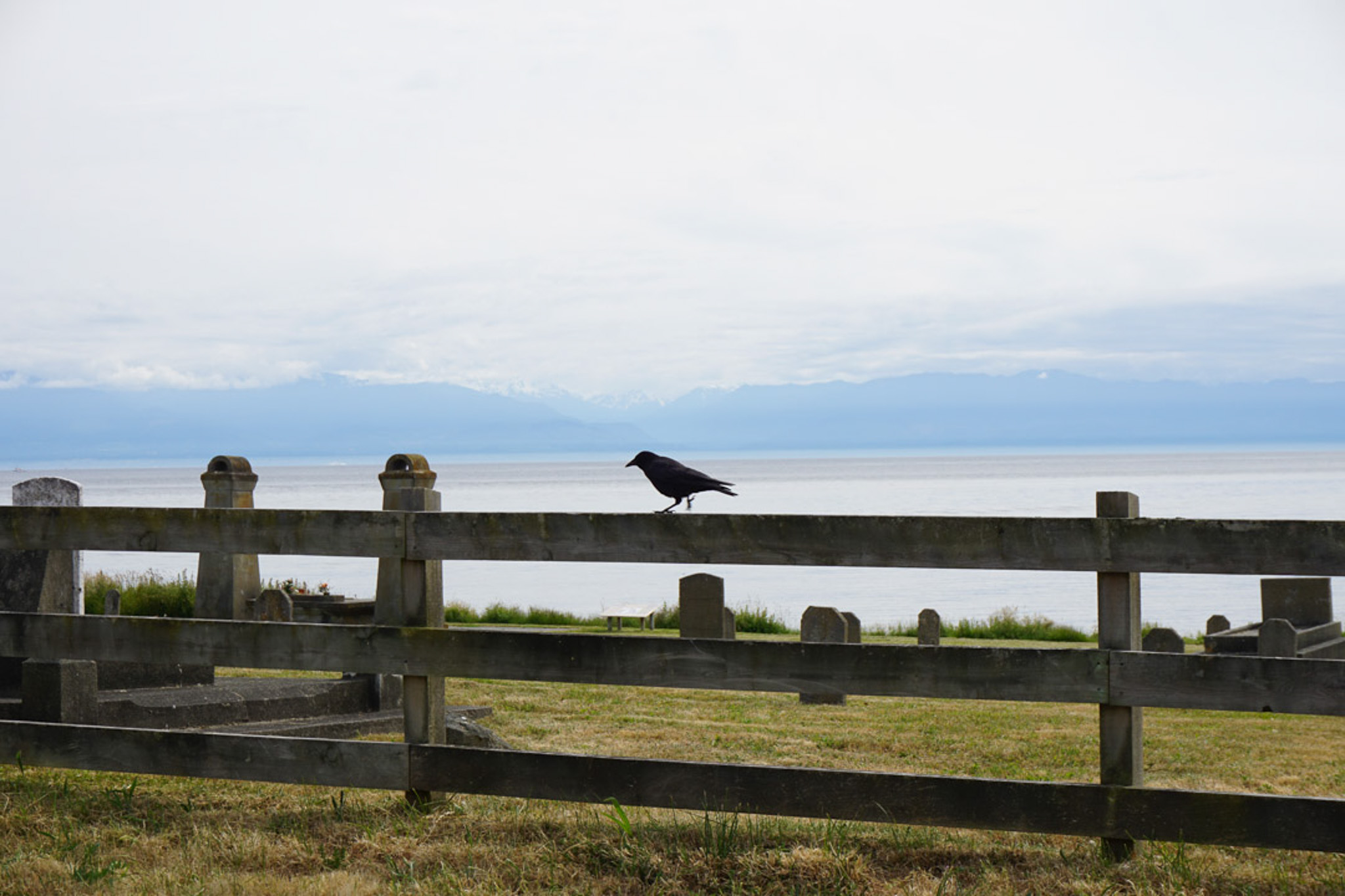

Sightings Log
A Note on Coexisting
Crows remember faces — including yours. If you're kind to them (or even just leave them alone), that reputation follows you around the neighborhood. Avoid feeding them human food regularly, as it can concentrate large flocks in ways that stress local ecosystems and neighbors alike. A little respectful distance goes a long way.